SEO can enhance the visibility of your route planning tools in search engines by optimizing specific keywords like 'route planning for logistics' and applying technical SEO practices.


The transport and logistics sector plays a crucial role in our economy. Despite the importance of this sector, many companies face the same problem: they are difficult to find online.
The transport and logistics sector is highly competitive. Companies that transport goods, provide storage, or offer logistics solutions need to stand out from the competition. A strong SEO strategy can help:
Attract new customers: By ranking for relevant keywords.
Show reliability: Well-optimized websites inspire more trust in potential customers.
Generate more leads: By being more visible in search engines.
One of the first steps in SEO is identifying relevant keywords. Think of:
Specific services: "Transport company Germany," "warehousing Antwerp."
Problem-solving: "Affordable freight transport," "logistics solution for e-commerce."
Location-based: "Transport company Ghent," "logistics service provider Berlin."
Use long-tail keywords to increase conversion opportunities. For example: "fast logistics delivery for small businesses."
A well-functioning website is essential. Focus on:
1. Website speed: Ensure your website loads quickly, especially for mobile users.
2. Mobile optimization: A large portion of users search via smartphones. Make sure your website is responsive.
3. URL structure: Use clear, keyword-rich URLs, such as /services/freight-transport.
4. Security: An HTTPS certificate is not only important for trust but also a ranking factor.
For transport companies operating locally, an optimized Google My Business profile is essential. It helps you appear in local search results and on Google Maps. Key tips:
Add an accurate business description.
Use relevant categories, such as "Transport Company" or "Logistics Service Provider."
Collect reviews from satisfied customers to show reliability. We recommend 20 reviews or more.
Content is king, even in the transport sector. Some content ideas:
Blogs: "The Benefits of Sustainable Transport" or "How to Choose the Right Logistics Company?"
Case studies: Share successful projects to showcase your expertise.
Videos: Show your processes in action, such as cargo management or storage.
E-books: "10 Tips for Efficient Transport Management" can be a valuable lead magnet.
Acquiring quality backlinks is essential. Consider:
Collaborations: Partner with others in the logistics chain to strengthen each other's websites.
Industry organizations: Get listed on relevant industry websites.
Local links: Aim to be mentioned on local news websites or business directories.
Use tools like Google Analytics and Google Search Console to measure your website’s performance. Key KPIs include:
Organic traffic: How many visitors come from search engines?
Conversions: How many leads or customers does your website generate?
Bounce rate: How many visitors leave your website immediately? A high percentage may indicate issues.
SEO offers transport and logistics companies the opportunity to increase online visibility, attract more customers, and strengthen their competitive position. By focusing on relevant keywords, local optimization, strong content, and technical improvements, you can take your business to the next level.
Want help improving your online visibility? Contact Rising Planet and discover how we can assist you with a tailor-made SEO strategy!
At Rising Planet, we understand that every business is unique. That’s why we offer tailored SEO strategies designed to meet your specific needs and goals. Get in touch with us and discover how we can take your business to new heights.
SEO can enhance the visibility of your route planning tools in search engines by optimizing specific keywords like 'route planning for logistics' and applying technical SEO practices.
Local SEO helps transport companies appear in regional searches such as 'freight transport in Antwerp' or 'local transport services,' leading to more local customers.
Yes, sharing content like tips for safe freight transport or updates on logistics innovations can build authority and attract relevant visitors through search engines.
Use hreflang tags, focus on multilingual content, and implement country-specific SEO strategies to reach international clients and rank better in foreign search results.
Optimized images and videos (with relevant file names and alt text) can not only improve your website's loading speed but also rank higher in visual searches like 'logistics in action' or 'trucks in Europe.'

Website
SEO
Copywriting
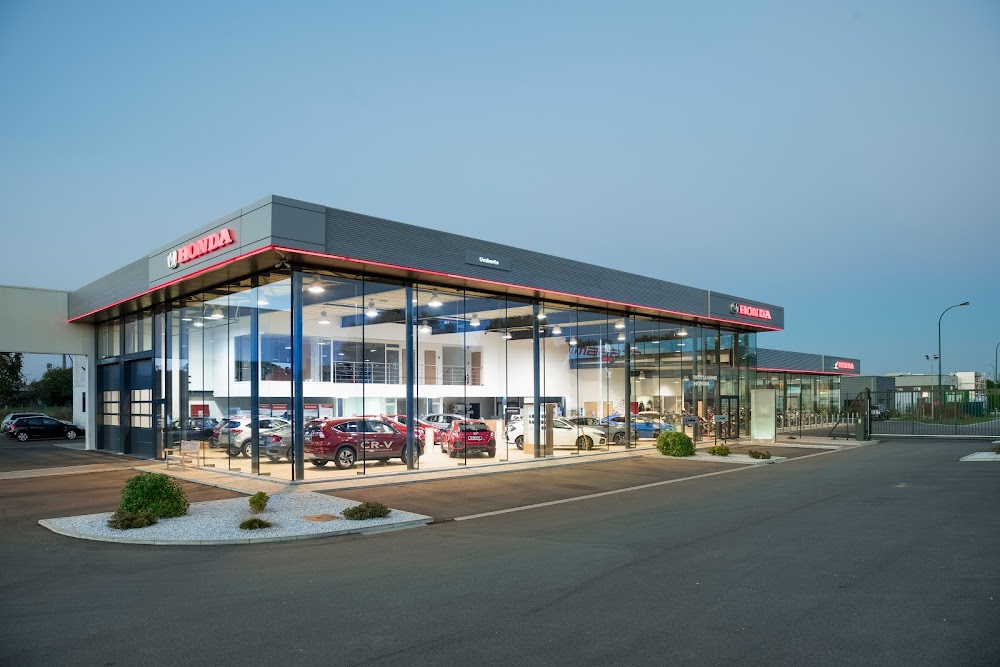
Rising Planet partnered with two official Honda dealerships in Belgium to rebuild their websites and implement the Industrial Growth System. The result: stronger local visibility, faster sites, and a steady increase in qualified dealership leads.
200+ additional leads per month
Major improvement in local search visibility
Faster, mobile-optimised user experience

Website
SEO
We supported the Belgian division of a global industrial manufacturer with a localized SEO strategy and technical improvements. Within a few months, the site gained measurable increases in search visibility and inbound requests from regional partners.
Full audit with technical changes to improve Western European presence

SEO
Website
Through the Industrial Growth System, Robbe Industries achieved measurable growth within months.
Targeted technical SEO and content optimization increased their visibility and lead flow dramatically.
+30.000 impressions per month
+12.000 monthly visitors
+750 monthly leads

SEO
Copywriting
After implementing the first stage of the Industrial Growth System, IC-S recorded strong early indicators of growth. Keyword visibility and impressions are climbing steadily as technical and content improvements take effect.
+33.000 monthly search impressions
+490 indexed keywords (up from 99)
+100 companies identified monthly via Leadinfo